Custom Costume Order Mistakes: What Goes Wrong on a First Order and How to Avoid It
Most custom costume order mistakes happen before production: approving a front-only mockup, guessing measurements, forgetting ventilation and vision, shrinking logos past readability, and squeezing the timeline. Customized Costumes catches these at the free 24-hour mockup stage, with unlimited revisions and nothing to pay until you approve, so a first order of costumes arrives right the first time.
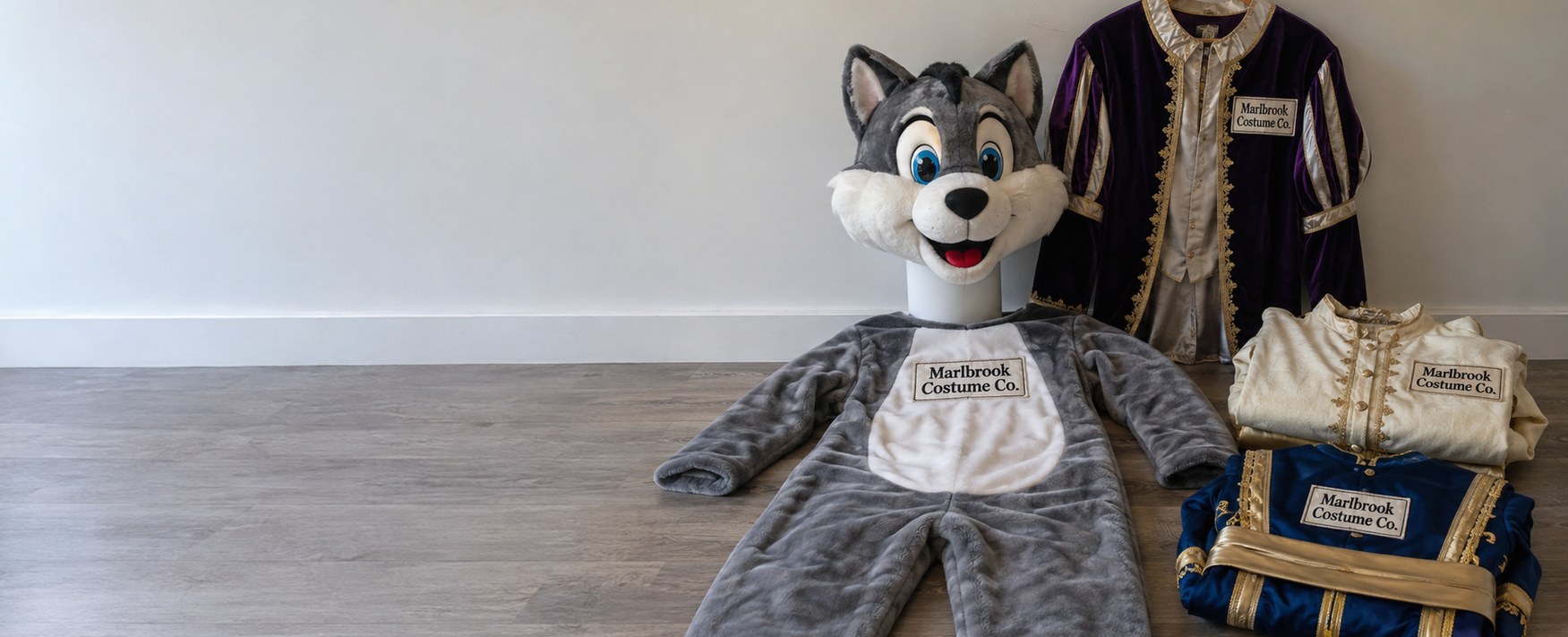
- Request front, back and side views before approving a mockup
- Measure every likely performer in the shoes they will wear
- Confirm ventilation, vision and a handler before the first appearance
- Free mockup within 24 hours, unlimited revisions, minimum order 12
- Standard turnaround about 2 weeks after design approval
What are the most common mistakes on a first custom costume order?
The most common mistakes on a first custom costume order are approving a front-only mockup, guessing performer measurements, ignoring heat and vision until the first appearance, and planning the order around a date that leaves no room for revisions. Customized Costumes sees the same handful of problems again and again, and almost all of them are decided before production starts rather than during it.
The good news is that each mistake has a simple fix that costs nothing but attention. The mockup is free and arrives within 24 hours, revisions are unlimited, and you pay nothing until you approve the design. That means the planning stage is the cheapest place to catch a problem, and the finished costume is the most expensive place to discover one.
- Design mistakes: artwork that only works from the front, detail too fine to survive in fabric or foam, colors approved on a single screen.
- Fit mistakes: one measurement set for several performers, no allowance for shoes or padding, heads chosen without checking the wearer’s height.
- Planning mistakes: no spare parts, no handler, and a deadline that ignores the approval stage.
Why does a front-only mockup cause problems on mascot costumes?
A front-only mockup causes problems on mascot costumes because a walkaround character is seen from every side, and the back, sides and top of the head are where buyers get surprised. If the brief never shows a tail, a back logo or the shape of the head from behind, the builder has to interpret it, and your reviewers may not notice until the costume arrives.
Before you approve, ask for a back view and a side view, and check them against how the character will actually be used. A school mascot that spends most of the game facing the crowd still turns around for photos with the bench. A trade-show character is photographed from behind as often as from the front. Our guide to character artwork for custom costumes covers turnarounds in detail.
The same rule applies to costume heads and masks: confirm where the eyes sit, where the vision aperture sits, and whether the expression reads from a distance. A friendly smile on a flat drawing can look blank on a sculpted head, so judge the face at the scale people will see it.
How do wrong measurements ruin a custom costume?
Wrong measurements ruin a custom costume because the body, gloves, feet and head are built around one wearer, and a costume that is too long, too tight or too heavy at the shoulders makes even a great character look awkward. The most frequent error is sending one person’s numbers when several different people will rotate through the costume over a season.
Measure the performers who will actually wear the costume, with the shoes they will wear inside the feet and any cooling vest or padding they plan to use. If the cast changes often, tell Customized Costumes the range of heights and builds rather than a single size, so the build can include adjustable closures or a body that suits the whole range. For matched group and parade costume sets, collect every walker’s measurements before you approve, not after.
- Name every likely wearer, including backups.
- Measure each one in the shoes and layers they will wear.
- Flag anyone noticeably taller or shorter than the rest.
- Send the full list with the quote request, not after mockup approval.
What heat, vision and safety details do first-time buyers forget?
First-time buyers usually forget that a mascot costume is worn by a person who needs to see, breathe and stay cool, and they judge the design only by how the character looks. Heat, vision and movement decide whether a performer lasts through an appearance, and they are much easier to plan into the head and body than to fix afterwards.
Ask how the head is ventilated, where the performer looks out, and whether a fan or cooling option suits your setting. Indoor gym events, summer parades and stage lights all add heat. If your costume will appear on a stage or near lighting, ask about flame-retardant materials at the quote stage rather than assuming every fabric qualifies. Plan a handler or escort for walkaround appearances, because a performer with limited vision should never navigate a crowd alone.
| Forgotten detail | What goes wrong | How to avoid it |
|---|---|---|
| Ventilation | Performer overheats and cuts the appearance short | Ask about vented heads or a fan option for warm venues |
| Vision | Performer bumps into guests or misses steps | Confirm aperture placement on the mockup |
| Stage use | Materials unsuitable near lights | Request flame-retardant fabric when quoting |
| Escort | No one manages the crowd or breaks | Assign a handler for every walkaround appearance |
Why do logos and fine detail disappear on finished costumes?
Logos and fine detail disappear on finished costumes because fur, foam, plush and stretch fabrics cannot hold the hairlines, gradients and tiny lettering that look sharp on a screen. A first order often includes a sponsor mark or slogan that is simply too small to read once it is stitched or appliqued onto a moving body.
Simplify the artwork before you send it. Bold shapes, a limited color palette and lettering big enough to read across a room translate cleanly. If a logo must carry fine detail, ask whether embroidery, applique or a printed panel suits it best; our page on embroidered and applique logo custom costumes explains how stitched branding behaves on different materials. Also check brand colors on more than one screen, because a mockup viewed on a phone can look different from the same file on a laptop.
Placement matters as much as size. A chest logo hidden under folded arms or a jersey, or a back logo covered by a cape, is wasted. Ask where the mark will sit when the performer is waving, sitting or posing for photos.
How does a tight deadline turn into a costume mistake?
A tight deadline turns into a costume mistake when buyers skip review rounds, approve a mockup they are unsure about, or leave no time for fitting before the event. Standard turnaround at Customized Costumes is about 2 weeks after design approval, with faster turnaround available through express shipping, but the clock only starts once you sign off.
Work backward from your event date. Leave time for the 24-hour mockup, for gathering feedback from the people who must approve it, for any revisions, and for a short try-on once the costumes arrive. The try-on is where a performer discovers a strap that needs adjusting or a glove that is too snug, and it is far better to find that in a rehearsal than in front of a crowd. Our how it works page walks through each stage of an order.
The other deadline mistake is collecting approvals too late. If a principal, a brand manager or a board must sign off, put them on the first mockup email so the design is not reopened after everyone else has agreed.
What should a first-time buyer check before approving the mockup?
A first-time buyer should check every view of the character, the face at real scale, logo size and placement, performer fit, heat and vision features, and the full quantity before approving a custom costume mockup. Because Customized Costumes offers unlimited free revisions and you pay nothing until you approve, there is no reason to sign off while any of those points are still open.
- Front, back and side views all match the character you know.
- Eyes, mouth and expression read clearly from across a room.
- Logos and lettering are large enough to read and not hidden by props.
- Measurements cover every likely performer, including backups.
- Ventilation, vision and any fan or cooling feature are confirmed.
- The order meets the minimum of 12 and includes the spare parts you need.
- Everyone who must approve has seen the latest version.
When the checklist is complete, send your approval in writing and keep the final mockup on file. That file becomes the reference for any reorder, so future mascot costumes and matching pieces stay consistent with the first build. When you are ready to start, request a custom quote and include your measurements, artwork and event date in the first message.
Frequently asked questions
What is the biggest mistake buyers make on a first custom mascot costume order?
The biggest mistake on a first custom mascot costume order is approving the design from a single front view. A walkaround character is photographed from every angle, so the back, sides and top of the head deserve the same scrutiny. Customized Costumes provides a free mockup within 24 hours and unlimited revisions, so request every view before you approve anything.
Should every performer be measured before a custom costume is built?
Every performer who will wear a custom costume should be measured before the build, including backups who may step in mid-season. Measure each person in the shoes and layers they will actually wear inside the costume. If heights vary widely, share the full range so the body and closures can be planned to fit the whole cast comfortably.
How can a first-time buyer tell whether a logo is too small for a costume?
A logo is probably too small for a costume if its lettering would be hard to read on a poster across a room. Fur, plush and foam soften edges, so thin lines and small type fade quickly. Customized Costumes shows logo size and placement on the mockup, letting you enlarge or simplify the mark before production begins.
Why do brand colors sometimes look different on a finished costume?
Brand colors on a finished costume can differ from the screen because fabric, fur and foam reflect light differently from pixels, and every display shows color slightly differently. Share official brand color references with your artwork, review the mockup on more than one device, and tell Customized Costumes which colors matter most so the closest material match is chosen.
What happens if nobody plans for a handler during costume appearances?
Without a handler, a costume performer has to manage limited vision, crowds, steps and breaks alone, which raises the chance of collisions and cuts appearances short. A handler guides the character, manages photo lines and calls breaks when heat builds. Plan this role before the first event, the same way you plan the costume itself and its spare parts.
Is it a mistake to order a custom costume without any spare parts?
Ordering a custom costume with no spare parts is a common regret, because gloves, feet and inner liners wear out long before the head. Customized Costumes lets you split the minimum order of 12 across full costumes and spare components, so a torn glove or worn liner never forces a cancelled appearance during a busy season of events.
Can a costume mockup be changed after the first approval round?
A costume mockup can be revised as many times as needed before you give final approval, because Customized Costumes includes unlimited free revisions. Changes become harder once production starts, so gather feedback from every decision-maker early. You pay nothing until you approve the design, which makes the mockup stage the right place to settle every detail.
How early should a first-time buyer start a custom costume order?
A first-time buyer should start a custom costume order well before the event, allowing time for the 24-hour mockup, internal feedback, revisions and a try-on after delivery. Standard turnaround is about 2 weeks after design approval, with faster turnaround available through express shipping. Starting early protects the review rounds that prevent most first-order mistakes.
Who should be included in approving a custom costume design?
Everyone with authority to reject a custom costume design should see the first mockup, not only the final version. That often means a marketing lead, a principal, a coach or a board representative, plus the performer who will wear it. Including them early stops a near-final costume design from being reopened after the rest of the team has agreed.
Should performers try on new costumes before the first public appearance?
Performers should always try on new costumes before the first public appearance, ideally during a rehearsal that includes walking, waving and posing. A try-on reveals straps that need adjusting, gloves that feel tight or heads that sit low. Finding these details privately gives you time to adapt, rather than discovering them in front of a crowd.
What information should go into the first custom costume quote request?
The first custom costume quote request should include your character artwork, any logos, the number of costumes and spare parts, performer measurements, the event date and where the costumes will be worn. Customized Costumes uses those details to prepare an accurate mockup within 24 hours, which avoids repeated questions and keeps the order moving smoothly.
Can a first order mix mascot costumes and matched group costumes?
A first order at Customized Costumes can combine mascot costumes with matched group costumes, as long as the total meets the minimum of 12. Mixing styles works well for parades, school spirit events and brand activations. Send artwork and measurements for every costume type together so the whole set shares consistent colors, logos and character details.
Get a free mockup for your costumes
Send your logo or idea and the quantity you have in mind. Customized Costumes returns a free mockup within 24 hours, you approve the design before anything is produced, and standard turnaround is about two weeks with faster options available. Get a custom quote.